PRP/PRF Joint & Trigger Point Injections

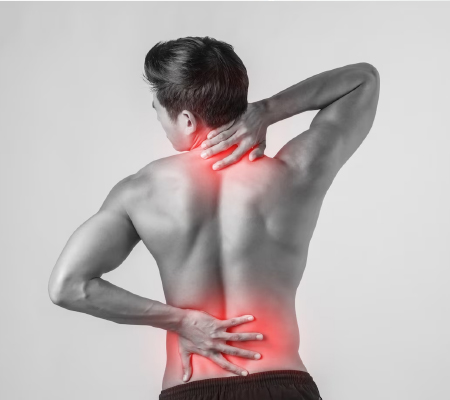
Natural, Regenerative Relief for Joint Pain and Muscle Tension

PRP/PRF refers to two types of regenerative injections:
  • PRP = Platelet-Rich Plasma
  • PRF = Platelet-Rich Fibrin
These are autologous (from your own blood) products that are used in orthopedics and sports medicine to help promote healing in conditions like joint arthritis, tendonitis, and myofascial trigger points.

Find Natural Pain Relief with PRP and Trigger Point Injections in Sunnyvale

Get back to the active, pain-free life you deserve. Schedule your personalized consultation for PRP Joint Injections and Trigger Point Injections at Ilara MD Medical Aesthetics & Wellness today.

How PRP/PRF Works

1. Collection and Processing:

  • A small amount of your blood is drawn.
  • It’s spun in a centrifuge to separate components.
  • PRP is plasma with a high concentration of platelets (which contain growth factors).
  • PRF is a newer formulation that is spun more slowly to create a fibrin matrix, allowing a slower, more sustained release of growth factors.

2. Injection into Target Area:
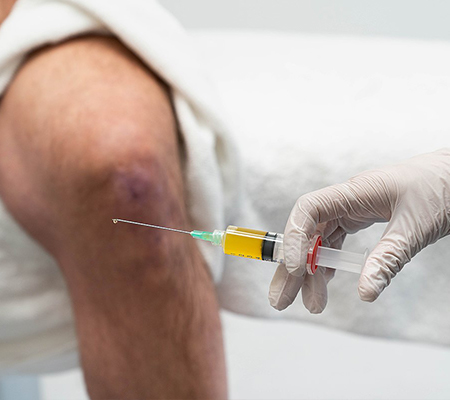
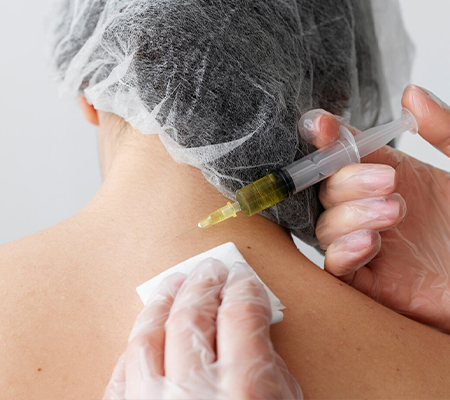
• The PRP or PRF is injected into the joint, tendon, or muscle trigger point.

Mechanism in Specific Conditions

Joint Arthritis (e.g., knee OA):

  • Goal: Reduce inflammation, improve joint lubrication, and stimulate cartilage repair.
  • Action: Platelets release growth factors (like PDGF, TGF-β, VEGF) that encourage local repair and decrease pro-inflammatory signaling.
  • Effect: Patients often report less pain and better function over weeks to months.
    Tendonitis (e.g., tennis elbow, Achilles tendinopathy)

Tendonitis (e.g., tennis elbow, Achilles tendinopathy):

  • Goal: Stimulate healing in degenerated tendon tissue.
  • Action: PRP activates local tenocytes and angiogenesis (formation of new blood vessels), which helps tendon remodeling.
  • Effect: Often reduces chronic pain and improves strength/mobility over time.

Trigger Points (myofascial pain):

  • Goal: Reduce localized muscle spasm and inflammation.
  • Action: The growth factors may help relax contracted muscle fibers and promote microcirculation.
  • Effect: Some patients experience relief where standard dry needling or anesthetic injections fail.

PRF vs PRP

PRF may have a longer-lasting effect due to its clot-like structure, which slowly releases healing factors over time.
PRP releases them faster and may require more frequent treatments.
Both are considered low-risk since they use your own blood

Frequently Asked Questions

What conditions can be treated with PRP/PRF joint and trigger point injections?
PRP (Platelet-Rich Plasma) and PRF (Platelet-Rich Fibrin) injections are utilized to address a variety of musculoskeletal conditions, including osteoarthritis, tendonitis, ligament injuries, and chronic joint pain. Trigger point injections specifically target muscle knots that cause pain and discomfort, often associated with myofascial pain syndrome.
How do PRP and PRF injections work to alleviate joint pain?
PRP and PRF therapies involve concentrating platelets from your own blood, which are rich in growth factors that promote healing. When injected into the affected joint or tissue, these growth factors stimulate the body's natural repair processes, reducing inflammation and encouraging tissue regeneration.
What should I expect during and after the procedure?
The procedure typically involves drawing a small amount of your blood, processing it to concentrate the platelets, and then injecting the PRP or PRF into the targeted area. The process is minimally invasive and usually completed within an hour. Post-procedure, patients might experience mild discomfort or swelling at the injection site, which generally subsides within a few days.
Are there any risks or side effects associated with these injections?
Since PRP and PRF therapies use your own blood components, the risk of allergic reactions is minimal. Common side effects include temporary pain or swelling at the injection site. As with any injection, there's a slight risk of infection, but this is rare when the procedure is performed under sterile conditions.
How many treatments will I need, and when will I see results?
The number of treatments varies depending on the individual's condition and response to therapy. Some patients experience relief after a single session, while others may require multiple treatments spaced several weeks apart. Improvement can often be noticed within a few weeks, with continued progress over several months as the healing process continues.